Leyton House Clearance in Leyton
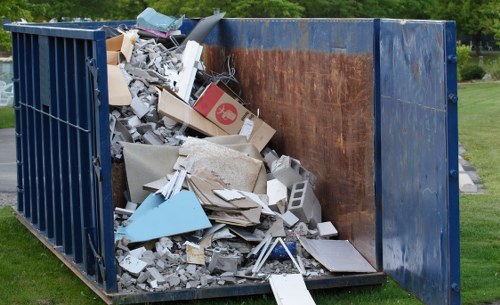
We provide house clearance in Leyton for homes that need furniture, appliances, general household items and mixed contents removed in a sensible, orderly way. Whether the task involves a single room, an entire property or selected items only, the service is shaped around what needs to go and how the property should be left afterwards. The work is practical, careful and suited to domestic clearances where space, access and sorting all matter.
Our service can cover a wide range of household situations, from clearing bulky furniture that is difficult to move to removing smaller items that have built up over time. We also handle clearances where some belongings are to be retained, reused, donated or sent for disposal. Clear instructions help the work run smoothly, but the aim is always the same: to make the clearance straightforward and to leave the property ready for its next use.
If you are planning a clearance, request a quotation when you are ready and we can discuss the most suitable approach. A brief summary of the property, the items involved and any access points is usually enough to begin planning. If you prefer, keep note of anything that should stay in place, so the removal scope is clear from the outset.
Household clearance work for practical, well-organised removals
Domestic clearances often involve more than simple lifting. Items may need to be sorted, separated and carried through narrow halls, staircases or shared entrances, and some rooms may contain a mixture of reusable goods, waste and valuables that should be left alone. A good clearance process keeps the work tidy and purposeful, so each load is handled according to what it is and where it should go. That approach helps reduce unnecessary disruption inside the property.
We can manage clearances that include wardrobes, beds, tables, chairs, white goods, soft furnishings and general household clutter. For many customers, the most helpful part of the service is the flexibility to remove only what is needed rather than emptying everything by default. This is especially useful where family members, landlords or occupiers have already set aside items to keep, and the remaining contents need to be cleared efficiently.
What is usually included in a home clearance
Typical work may involve dismantling some items where safe and useful, carrying loads from upper floors, and separating objects that need different handling. A careful clearance can also include arranging how retained items are left, so the rooms remain usable. Depending on the contents, we can remove bulkier items first and then work through smaller possessions, which often makes the property easier to navigate as the job progresses.
Rooms, items and clearances that need a considered approach

Not every clearance is the same. A straightforward room clear-out may be very different from a full property clearance after tenants have moved out, a family property has been reorganised or furniture needs to be replaced. The service needs to fit the contents and the layout, rather than forcing everything into one standard pattern. That is why clear instructions and sensible planning matter more than rushing from room to room.
To help customers think about the work, it can be useful to separate the task into parts before asking for a quotation:
- furniture and large household items
- boxed contents and loose possessions
- items to keep, donate or recycle
- access issues such as stairs, parking or shared entrances
- anything fragile, fixed or requiring extra care
Some households only need a partial clearance, perhaps because a room is being redecorated or one area has become overloaded with stored items. Others need a more complete service after a change in occupancy, a move or a long period of accumulation. In both cases, the practical question is the same: which items are being removed, which are staying, and how should the property be left once the work is finished?
Furniture clearance and item removal
Furniture clearance is one of the most common parts of household work, and it often requires more care than people expect. Large pieces can be awkward to lift, difficult to turn in narrow spaces and heavy to carry down stairs. Sofas, wardrobes, cabinets and beds may also need to be moved without damaging walls, doors or flooring. A calm, planned removal helps keep the job under control and reduces the risk of unnecessary disturbance.
Our furniture clearance service is suitable when items are being replaced, rooms are being reconfigured or stored pieces are no longer needed. Where practical, pieces may be separated for easier handling before removal. In some cases, it is useful to clear only selected furniture from a room while leaving the rest in place, particularly when a property is still in use or being prepared for cleaning, repair or refurnishing.
Smaller furniture items and household furnishings can also be removed at the same time as the main clearance. If you are comparing options, think about the condition of the items, how they are positioned in the property and whether anything requires careful manoeuvring. Those details help make the removal safer and more efficient, especially where access is tight or the contents are mixed across several rooms.
Full properties, partial clearances and sensible prioritising
Some jobs are best treated as a full clear-out, while others are more selective. A full property clearance suits homes where most of the contents need to be removed, but even then, it is normal to set aside items that must stay. Partial clearances are often used for bedrooms, living rooms, lofts or storage areas where only part of the contents are being taken away. This flexibility matters because homes rarely fit a neat template.
When planning the work, priority should be given to the items that are easiest to identify and the rooms that will make the biggest difference once cleared. That might mean beginning with oversized furniture, then moving to stacked bags, boxes or loose household goods. For properties that are still occupied, it is often best to keep walkways clear as the job progresses, so the space remains safe and manageable for anyone using the building.
If you have several categories of items, make a brief note of them before you enquire. Separate out what stays from what goes, and mention any pieces that are awkward to move or located upstairs. A concise outline is usually enough to establish the scale of the work and to make the quotation more accurate without turning the process into a long checklist.
Garage, loft and storage clearances

Garages and lofts often become long-term storage spaces for items that are useful in theory but not easy to organise in practice. Over time they can contain broken furniture, old boxes, tools, suitcases, seasonal decorations and mixed household items that no longer have a clear place. Clearing these areas usually means working around awkward access, dusty conditions and a combination of heavy and loose contents.
Our garage clearance work focuses on removing stored items safely and making the space more usable again. Depending on the contents, the job may involve grouping items for removal, shifting bulky objects from corners and managing the order of the clearance so the area is left in a practical state. This can be especially helpful when a garage is being repurposed for parking, storage, hobbies or property maintenance.
Loft spaces can require even more care because the access is often limited and the structure itself should be treated sensibly. The aim is not simply to empty the area, but to remove unwanted contents without creating avoidable disruption. Where boxes, luggage, old furnishings or mixed household goods are stored overhead, the work can be planned to keep the process orderly and the remaining items undisturbed.
Loft contents and difficult-access clearances
Loft clearance is usually about more than the volume of items. The access route, the shape of the space and the weight of the contents all affect how the job should be carried out. Many lofts contain a combination of keepsakes, storage boxes, obsolete household goods and bulky items that are awkward to lift through hatch openings or along narrow stairways. A steady, considered method is often the safest option.
Where possible, clearances of this kind should be organised so the route in and out is kept manageable. That may mean removing larger items first, then working through boxes and smaller objects once the access has improved. It is also useful to identify anything that is fragile, fragile-looking or likely to be mixed up with retained belongings. That simple sorting step can save time later and makes the process easier to follow.
In properties with both loft and garage storage, the two areas are often best approached as separate tasks, even if they are cleared at the same visit. Each space may contain different types of contents, and the practical handling can differ. Good clearance planning gives the work a clearer shape and helps the property move from cluttered storage to usable space without needless complication.
Garden items, outdoor storage and exterior clearance
External spaces can collect a surprising amount of material, including broken pots, tired furniture, old timber, garden tools, bags of soil, plant waste and items left behind after a change in use. These spaces often need a different approach from indoor rooms because the contents may be damp, unevenly stacked or mixed with outdoor debris. A proper clearance keeps the work practical and avoids turning the whole area into a larger mess before it improves.
Our garden clearance service is suitable when outdoor areas need clearing before landscaping, repairs, seasonal work or general tidying. The work may involve removing multiple item types from sheds, patios or borders, while respecting whatever is to remain on site. If you have planters, furniture or equipment that should be kept, it helps to identify those before the work starts so the clearance remains focused and controlled.
Outdoor clearances are often easier when you think in terms of zones. One area may contain bagged waste, another may have stacked timber or broken furniture, and a third may simply need a general sweep of loose material. Working in that order can reduce back-and-forth movement and makes it easier to see progress. It also allows the remaining space to be assessed clearly once the removal is complete.
About Leyton
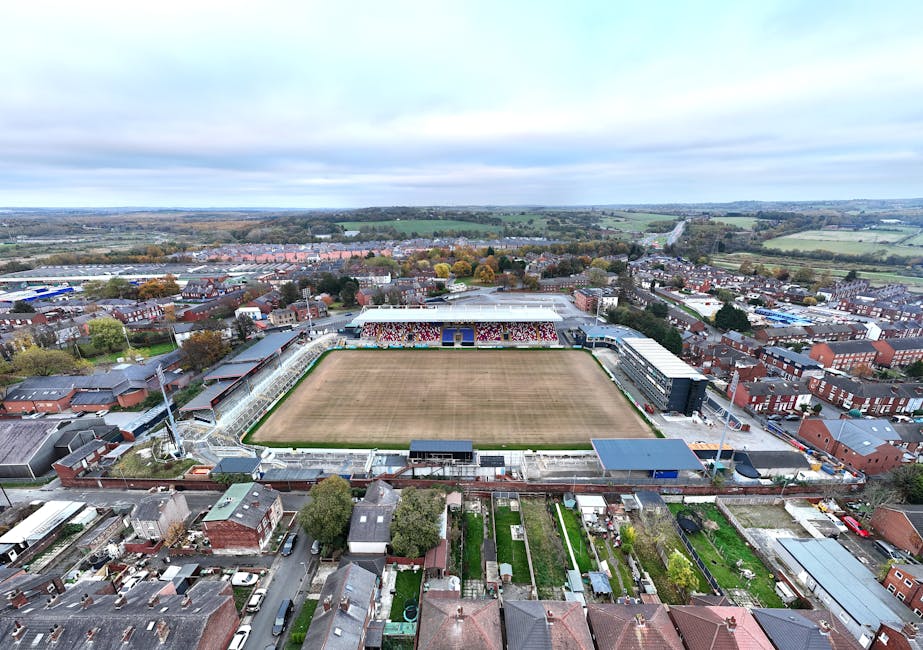
Leyton is an area in east London within the London Borough of Waltham Forest, forming part of the wider Lea Valley landscape and the urban corridor between central London and Essex. Historically, it was a small settlement that developed from an agrarian parish into a more densely built suburban district as rail and road connections expanded in the nineteenth and twentieth centuries. Its streets reflect that layered development, with terraces, interwar housing and later infill standing alongside older local landmarks and places of worship. Leyton sits close to Leytonstone, Stratford and Walthamstow, yet it has its own distinct identity shaped by long-term residential growth and changing patterns of industry, trade and migration. The area is served by Leyton station on the Central line, which connects it directly to central London and the eastward reach of the Underground network. Nearby, Leyton Orient Football Club gives the district a strong sporting association, while Queen Elizabeth Olympic Park lies to the south-west, adding a major contemporary landmark to the wider setting. The River Lea and associated waterways have long influenced the geography of the district, with open spaces, drainage routes and transport corridors helping define its shape. Leyton has a mix of everyday shopping parades, civic buildings and local green spaces, and its character is often read through the relationship between compact housing streets and the larger industrial and sporting landscapes around it. That combination of history, movement and redevelopment gives the area a practical urban feel while still preserving a recognisable neighbourhood identity.
House clearance choices, sorting and responsible handling

When a house clearance includes a broad mix of contents, the most important decision is often not what to remove first, but how to separate the different kinds of item sensibly. Furniture, textiles, electrical goods, books, ornaments and general household clutter do not always travel in the same way or need the same treatment. A well-managed clearance respects those differences and keeps the work organised from one room to the next.
Our house clearance service is designed for domestic properties where the contents need to be removed with a clear plan in place. In many homes, a house clearance follows a move, a reorganisation, a tenancy change or a period of accumulated belongings. The process usually works best when the main categories are identified early, because that reduces confusion on the day and helps the job move in a steady sequence.
In addition to the main removal work, some customers want to understand how items are handled after they leave the property. That may include separating reusable furniture from general household waste, or sorting items so they can be directed appropriately. Recycling and sustainability are relevant to many clearance jobs, particularly when the contents include materials that should not be mixed unnecessarily with ordinary disposal streams.
Pricing factors, access and quotation details
Quotation preparation for clearance work usually depends on a few practical factors rather than on a fixed formula. The volume of items, the type of contents, the access route and any need for special handling all influence the overall scope. A garage filled with loose household goods is not the same as a house containing several heavy wardrobes, and the clearer the description, the easier it is to reflect that difference in the quote.
Our pricing and quotes page is useful if you want to understand how the service is approached commercially before you enquire. In general, it helps to mention the property type, the rooms involved, whether stairs or tight access are part of the job, and whether any bulky items need dismantling or careful carrying. Those details support a quotation that is based on the actual work rather than a vague estimate.
If you are not ready to proceed straight away, you can still prepare a short summary of the clearance, including the items involved and the parts of the property to be left untouched. That simple preparation often saves time and gives the conversation a clearer starting point. When you are ready, a straightforward enquiry is usually enough to move the job on.
Office, business and other clearance options
Although this page focuses on domestic work, some customers also need a related clearance service for workspaces, storage rooms or mixed-use premises. These jobs can involve desks, chairs, filing items, shelving, packaging, stock or general unwanted contents. The important point is that the removal plan should match the layout and the type of material being cleared, rather than treating every premises as though it were a home.
For non-domestic settings, our office clearance and business waste removal pages show the kind of support available where items are being taken out of a workplace or commercial environment. Some jobs are about clearing a single room, while others involve more structured removal from several areas. Clear access details and a list of the main item groups make it easier to choose the most suitable route.
If your job is not a standard home clearance, it still helps to think about the outcome you want. Whether the space needs to be emptied, partly cleared or simply made easier to use again, the underlying principle remains the same: identify the contents, note any restrictions and agree the scope before the work begins.
Helpful next steps for a clear and workable enquiry

Once you know what needs removing, the next step is usually to describe the job in a way that makes the quotation easy to assess. That does not have to be long or technical. A short outline of the rooms involved, the larger items, the access route and anything that must stay behind is often enough. If there are items of concern, such as awkward furniture or contents stored in a loft, mention them plainly so they are not overlooked.
It can also help to decide whether you need a complete clearance or a more selective removal. In many cases, the difference between those two options is important because it affects what is left in place, how long the work may take and how the property will be used afterwards. If you want to move forward, contact us with the basic details and request a quotation for the clearance you have in mind.
For customers comparing several sorts of clearance, the most useful starting point is to match the service to the space. A loft may need a different plan from a garage, and a full house may need a different approach from a single room. Keeping that distinction clear helps the work stay practical, keeps expectations realistic and makes the final result easier to achieve.